Learning to code has never had a shortage of expensive options, from bootcamps that cost as much as a car to subscription platforms that bill you every month. Against that backdrop, freeCodeCamp makes a claim that sounds almost too good to be true: a complete, project-based coding curriculum that is entirely free, with no paywall, no ads on the lessons, and no catch. For a beginner staring down the cost of a career change, the obvious question is whether something free can genuinely teach you skills employers care about.
This review takes an honest look at what freeCodeCamp is, how its learning actually works, where it shines, and where its free-and-self-paced model leaves gaps you should plan around. The short version is that freeCodeCamp is one of the best free learning resources available, but it asks something specific of you in return. Understanding that trade-off is the key to deciding whether it fits how you learn.
Key Takeaways
- freeCodeCamp is a nonprofit founded in 2014 that offers a completely free, project-based coding curriculum with no paywall and no ads on the lessons.
- You learn in the browser through interactive challenges and earn certifications by building and submitting real projects, entirely at your own pace.
- Its biggest strengths are being genuinely free, teaching by building a portfolio, enormous breadth of topics, and a large, active community.
- The trade-offs are no built-in structure or accountability, no dedicated mentorship or career services, and certifications that are free but not accredited or widely recognized.
- It fits self-motivated beginners best and works well as a supplement; people who need deadlines, accountability, and job-search support may need more than freeCodeCamp alone.
What freeCodeCamp is
freeCodeCamp is a nonprofit organization founded in 2014 by Quincy Larson with a straightforward mission: to make learning to code free and accessible to anyone with an internet connection. It is a registered charity, funded by donations from people who have used the platform rather than by tuition or by selling your data. That funding model is the reason the whole thing can stay free.
The word free here is literal and complete. There is no premium tier, no set of locked lessons waiting behind a subscription, and no credit card required to reach the advanced material. Everything from the very first coding challenge to the final certification projects is available at no cost. This sets freeCodeCamp apart from the many freemium platforms that give away an introduction and then charge for the parts that actually build job-ready skills.
How the learning works
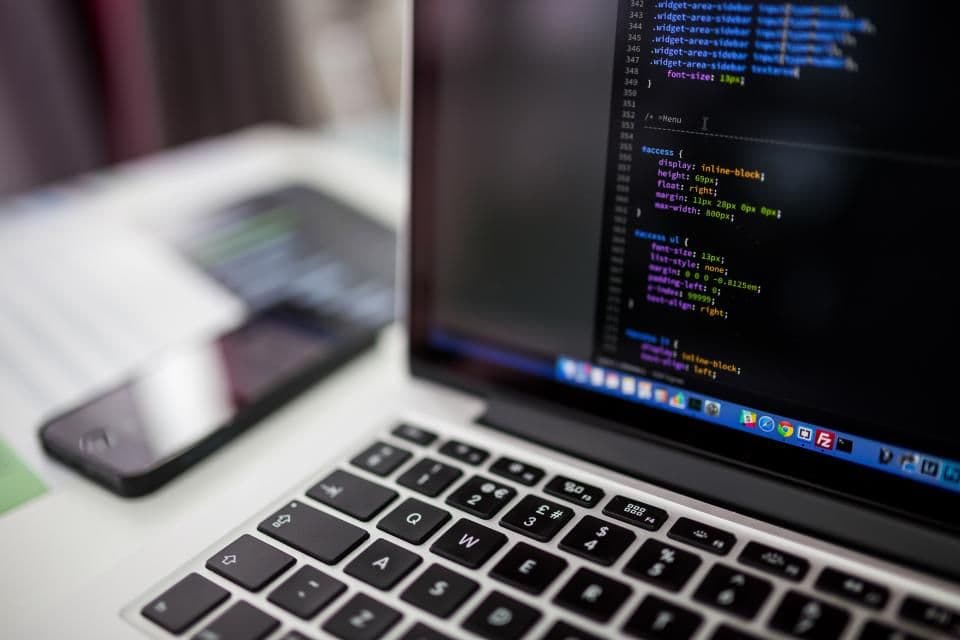
The heart of freeCodeCamp is a self-paced, browser-based curriculum. You read short explanations and immediately write code in an editor built into the page, getting instant feedback on whether your solution works. The lessons are grouped into certifications, each a long sequence that ends with a set of projects you have to build yourself, which is where the real learning happens.
- Interactive coding challenges you can start in the browser with no software to install first.
- Certifications covering areas like responsive web design, JavaScript, front-end libraries, back-end development and APIs, data analysis, and Python.
- A project-based requirement: to earn any certification you must build several projects that pass automated tests, not just answer quizzes.
- A large free YouTube channel with thousands of hours of long-form courses that complement the main curriculum.
- A community forum, chat channels, and a publication full of written tutorials for when you get stuck or want to go deeper.
What you will not find is a deadline, an instructor, or a cohort moving alongside you. You progress entirely at your own pace. For a disciplined learner that freedom is a gift; for someone who struggles to stay on track without external structure, it can be the hardest part of the whole experience.
What it does well
For the price of nothing, freeCodeCamp delivers an impressive amount, and several of its strengths hold up against paid alternatives.
- It is genuinely, completely free, which removes the single biggest barrier that keeps many people from ever starting to learn to code.
- You learn by building. The project requirements force you to apply what you have studied and leave you with a portfolio of real work to show.
- The breadth is enormous, spanning front-end, back-end, data, and Python, with the YouTube library covering nearly any adjacent topic you can name.
- The community is large and active, so a stuck beginner can usually find an answer in the forum or chat within a reasonable time.
- The curriculum is well-sequenced for newcomers and is kept current by the nonprofit and a wide base of volunteer contributors.
The limitations to know
Being free and self-paced cuts both ways, and the things freeCodeCamp does not provide matter just as much as the things it does. Going in aware of these gaps is the best way to avoid frustration.
- There is no built-in structure or accountability. With no deadlines and no instructor checking in, many learners lose momentum and stall partway through.
- Support comes from the community rather than dedicated mentors. It is helpful and often fast, but it is not guaranteed one-on-one guidance.
- The certifications are free but not accredited, and they carry little name recognition with employers. Their value lies in the skills and portfolio you build, not in the certificate itself.
- There are no career services. You will not get resume reviews, interview coaching, or job-placement help that many paid bootcamps bundle in.
- Depth can be uneven across topics, so you will often need to supplement with official documentation, other courses, or your own projects to master a subject.
None of these are reasons to dismiss the platform. They simply explain why finishing freeCodeCamp takes real self-motivation, and why it works best as part of a plan rather than a magic solution on its own.
Who freeCodeCamp is right for
freeCodeCamp suits some learners far better than others. It is an excellent match for self-motivated beginners who want to test whether they actually enjoy coding before spending any money, for students and career changers looking to supplement a degree or bootcamp, and for anyone on a tight budget who is willing to supply their own discipline and build a portfolio independently.
It is a weaker fit for people who need firm structure, deadlines, and accountability to follow through, or who want career services and a widely recognized credential to help land a first job. For them, freeCodeCamp can still be a superb free supplement, but it may not be enough on its own. A smart and common approach is to start free with freeCodeCamp, prove to yourself that you enjoy the work and can stick with it, and only pay for structure or career support later if you decide you need it.
The Bottom Line
freeCodeCamp is one of the best free ways to learn to code, without qualification. A nonprofit offering a genuinely free, project-based curriculum, a huge video library, and an active community, it can absolutely teach a motivated beginner real, employable skills. The catch rests entirely on you: there is no structure, no hand-holding, and no career services, and the certifications will not impress employers by name alone. If you bring the discipline, it is an unbeatable place to start and a strong supplement to anything else; if you need accountability and job-hunting support, treat it as one valuable piece of a larger plan rather than the whole thing.
Frequently Asked Questions
Is freeCodeCamp really completely free?
Yes. freeCodeCamp is a donation-funded nonprofit, and the entire curriculum, from the first lesson to the final certification projects, is free with no premium tier and no credit card required. Its funding comes from donations rather than tuition or ads on the lessons.
Are freeCodeCamp certifications worth anything to employers?
The certifications are free but not accredited, and they carry little name recognition on their own. Their real value is the skills you gain and the portfolio of projects you build while earning them, which is what you actually show employers. Treat the projects, rather than the certificate, as the payoff.
Can freeCodeCamp get me a job as a developer?
It can teach genuinely employable skills, but it offers no career services, job placement, or interview coaching. Landing a job still depends on your portfolio, continued practice, networking, and the local market. Many people use freeCodeCamp to build skills and a portfolio, then run the job search themselves or pair it with other resources.
Is freeCodeCamp good for complete beginners?
Yes. The curriculum is sequenced to start from the basics with no prior experience needed. The main requirement is self-discipline, since there are no deadlines or instructors. Beginners who can stay motivated on their own tend to do well, while those who need structure may want to combine it with a more guided program.
Sources & Further Reading
- freeCodeCamp — The nonprofit's main site and free, donation-supported learning platform.
- freeCodeCamp: Curriculum — The full free, project-based certification curriculum you work through in the browser.
- freeCodeCamp News — Thousands of free written tutorials and articles from the community.
- BLS: Web Developers and Digital Designers — Official outlook, pay, and job-growth data for the roles this curriculum targets.
All sources above are official or first-party pages. Program terms change — always confirm details on the official site before making decisions.