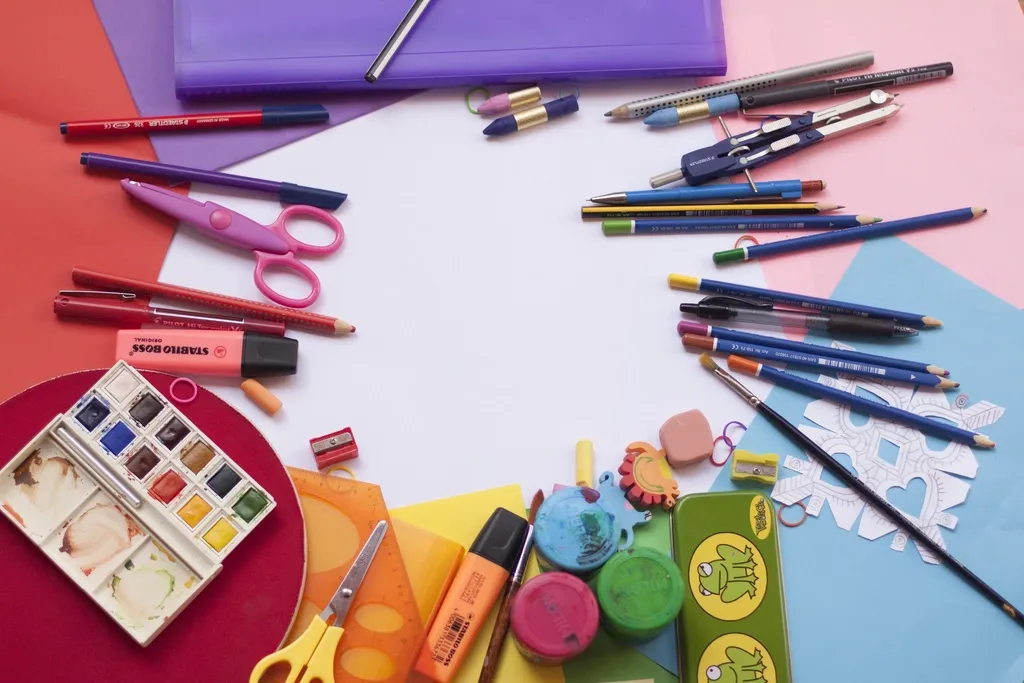
Skillshare is an online learning platform built around a single subscription. Instead of buying classes one at a time, you pay for membership and then watch as many classes as you want. The library leans heavily toward creative subjects. Think illustration, graphic design, photography, writing, animation, and a steady stream of productivity and lifestyle topics. The classes are taught by working practitioners rather than university faculty, and most are short and project-based.
That model shapes everything about the experience. Skillshare is less like a school and more like a large, friendly workshop you can drop into anytime. There are no grades, no exams, and no formal credentials that an employer would recognize. What you get instead is technique, inspiration, and a community of people making things. Whether that is a good deal depends entirely on what you want out of it. This review walks through how it works, what it does well, where it falls short, and who should actually consider signing up.
Key Takeaways
- Skillshare is a single subscription that unlocks the full library of short, project-based creative classes.
- Its strengths are creative breadth, hands-on projects, and friendly teaching from working practitioners.
- Weaknesses include uneven quality, shallow technical and business content, and essentially no credential value.
- It fits hobbyists and working creatives wanting inspiration far better than anyone chasing recognized qualifications.
- Confirm current pricing and free trial terms on the official site before you commit.
How Skillshare Works
Skillshare runs on a membership subscription. Once you join, the full class library opens up, and you can start and finish as many classes as you like. New members often get a free trial period, though the length and exact terms change over time. Because pricing and trial details shift, you should confirm the current cost and what the trial includes on the official Skillshare site before you commit.
Each class is broken into short video lessons, usually a few minutes each. A typical class runs well under an hour in total. Most classes center on a hands-on project, such as designing a logo, painting a small watercolor scene, or drafting a short story opening. Teachers walk you through their own process, and you are encouraged to make something alongside them rather than just watch.
Instead of tests, Skillshare uses community projects. After a class, you can upload what you made to a shared project gallery, see what other students created, and leave or receive feedback. This peer interaction is the closest thing to evaluation on the platform. It is encouraging and low-pressure, but it is not a substitute for structured assessment or expert grading.
Where Skillshare Shines
The biggest strength is creative breadth. If you want to explore visual and creative skills, the range of topics is wide and the catalog is deep. You can wander from hand lettering to portrait photography to brand design in a single afternoon. For people who like to sample many things before going deep on one, the all-you-can-watch format removes the friction of paying per class.
The project focus is the second strength. Many platforms drown you in theory. Skillshare classes tend to get you making something quickly, which is how creative skills actually stick. The teachers are often approachable working professionals who share real, practical habits. That tone makes the platform welcoming for beginners and for anyone returning to a hobby after a long break.
- Broad creative catalog spanning art, design, photography, and writing
- Short, project-based classes that are easy to finish
- Friendly, practitioner-led teaching aimed at beginners
- One subscription unlocks the full library, encouraging exploration
- Community project galleries for low-pressure feedback
The Real Weaknesses
Quality and depth are uneven. Because many classes are produced by individual creators, the experience varies from one teacher to the next. Some classes are polished and genuinely useful. Others feel thin or repeat material you can find for free elsewhere. The short format that makes classes easy to finish also means few of them take you from beginner to advanced in any single subject.
Skillshare is also weak outside of creative fields. If you are looking for rigorous training in coding, data, finance, or detailed business operations, this is not the right tool. The technical and business classes tend to stay at an introductory level. People who need serious depth in those areas are usually better served by platforms built for that purpose.
Finally, the credential value is essentially zero. Skillshare does not offer accredited certificates or degrees, and finishing a class is not something most employers will weigh. If your goal is a resume line or a recognized qualification, look elsewhere. Treat Skillshare as a place to build skills and a portfolio, not paperwork.
Who Skillshare Is Really For
Skillshare fits hobbyists best. If you want to pick up drawing, try a new craft, learn the basics of a camera, or keep a creative habit alive, the format suits you well. The low-pressure structure and short classes are ideal for learning in small pockets of time without the weight of a formal course.
It also suits working creatives who want inspiration and quick technique refreshers. A designer or illustrator can pick up a new method, see how a peer approaches a problem, or break a creative block in an evening. For these users, the subscription pays off through steady, casual use rather than one big course. As with any subscription, confirm the current terms and what your plan includes directly with the provider before deciding it is right for you.
The Bottom Line
Skillshare is a strong, affordable playground for creative learning and a poor choice for formal credentials or technical depth. If you value exploration, hands-on projects, and a friendly community, it can be well worth the membership. If you need accredited certificates, deep technical training, or proof of skill for an employer, it is the wrong fit. Match the platform to your goal, check the latest pricing and trial details on the official site, and you will know quickly whether it belongs in your routine.
Frequently Asked Questions
Does finishing a Skillshare class give you a recognized certificate?
No, Skillshare does not offer accredited certificates or degrees, and most employers will not weigh a finished class. Treat it as a way to build skills and a portfolio rather than formal paperwork. If you need a recognized qualification, look at platforms built for that purpose.
Is Skillshare a good way to learn coding, data, or finance?
Not really. Skillshare is built around creative subjects, and its technical and business classes tend to stay at an introductory level. People who need serious depth in coding, data, or finance are usually better served by platforms designed for those fields.
How is learning on Skillshare evaluated?
There are no grades, exams, or expert grading. Instead, classes use community project galleries where you can upload your work, see what others made, and exchange feedback. This peer interaction is encouraging and low-pressure, but it is not a substitute for structured assessment.
Is a Skillshare subscription worth the money?
It depends on your goal. The all-you-can-watch model pays off for hobbyists and working creatives who use it steadily for exploration and quick technique refreshers. It is a poor value if you want technical depth or a credential for your resume. Check current pricing and trial details before deciding.
Sources & Further Reading
- Skillshare — official site — Confirm current subscription pricing, free trial terms, and class catalog
- Udemy — Compare a pay-per-class platform with broader technical and business courses
All sources above are official or first-party pages. Program terms change — always confirm details on the official site before making decisions.