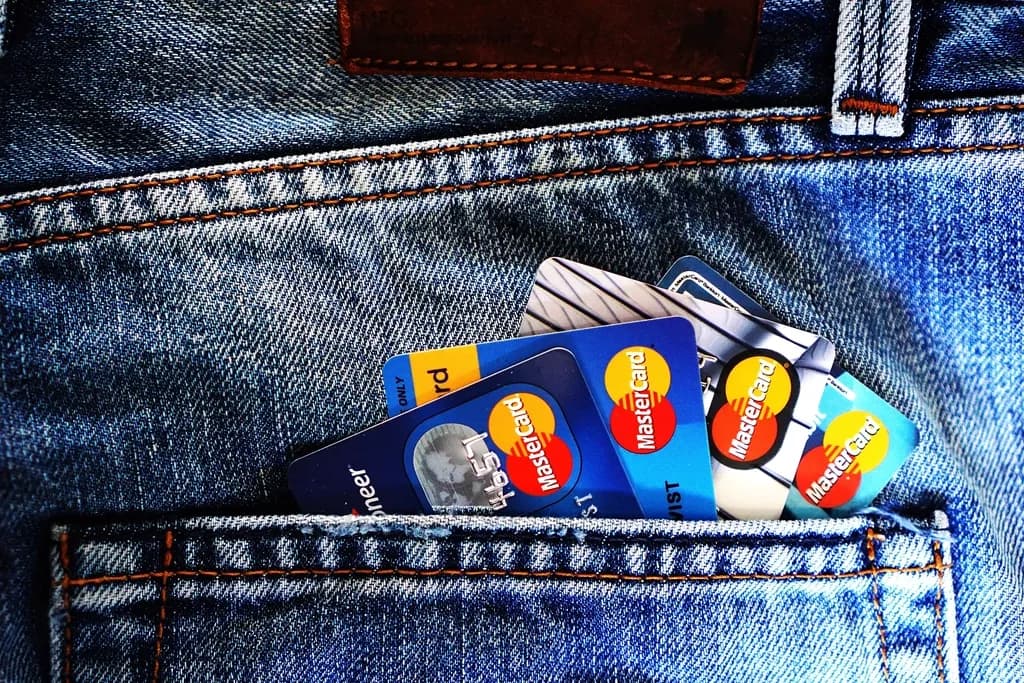
A credit score is a number that sums up how you have handled borrowed money. Lenders use it as a quick signal of how risky it might be to lend to you. The number is built from the information in your credit reports, which track things like loans, credit cards, and whether you pay on time. A higher score generally suggests you have been a reliable borrower. A lower score suggests more risk.
Scores do not appear out of nowhere. They are produced by scoring models that read your credit history and turn it into a single figure. There is more than one model, and the same person can have slightly different scores depending on which one is used and which credit report it draws from. That is normal. What matters more is understanding the habits behind the number, because those habits are something you can control over time.
Key Takeaways
- A credit score is a number built from your credit reports that signals to lenders how risky you are to lend to.
- Payment history and how much you owe relative to your limits usually carry the most weight in your score.
- Several scoring models exist, so the same person can have slightly different but equally accurate scores.
- You can get free credit reports through AnnualCreditReport.com and dispute any errors you find with the bureau.
- Paying every bill on time and keeping card balances low are the most reliable ways to build your score.
What a Credit Score Is Used For
The most common use is borrowing. When you apply for a mortgage, an auto loan, a personal loan, or a credit card, the lender often checks your credit score and reports. They use this to decide whether to approve you and what terms to offer. People with stronger scores tend to qualify more easily and may be offered better rates. People with weaker scores may be declined or offered less favorable terms.
Credit checks can also show up in places that are not strictly loans. Some landlords review credit when screening rental applications. Some utility or cell phone providers may look at credit before setting up service or deciding whether a deposit is required. In certain jobs, an employer may review a version of your credit report as part of a background check, with your permission. The exact rules vary by state and by company, so confirm with the specific provider how they use credit information.
The Factors That Shape Your Score
Scoring models look at several categories of information. The exact math is not public, and the weight of each factor can shift depending on the model and your situation. Still, the broad categories are well known and consistent. Two of them tend to carry the most influence: your payment history and how much you owe relative to your available credit.
- Payment history: whether you pay your bills on time. Late payments, collections, and defaults can pull a score down.
- Amounts owed and utilization: how much you owe, especially the share of your credit card limits you are using. Lower use generally looks better.
- Length of credit history: how long your accounts have been open. A longer track record can help.
- New credit: how often you apply for and open new accounts in a short window.
- Credit mix: the variety of accounts you have, such as credit cards alongside installment loans.
Of these, payment history and amounts owed usually matter most. The other three play supporting roles. You do not need to chase a perfect mix or open accounts you do not want just to improve one category. Steady, on-time payments and keeping balances low tend to do most of the heavy lifting.
Score Ranges and What They Mean
The most widely used scoring models in the United States run on a scale of roughly 300 to 850. Within that range, higher is better. Lenders often group scores into broad bands, from poor at the low end up through fair, good, very good, and excellent near the top. The exact cutoffs differ from one lender and model to another, so treat the bands as general guideposts rather than fixed lines.
Because there are several models, there is no single official number that everyone agrees on. Two scores for the same person can differ by a number of points and both still be accurate for their own model. Rather than fixating on one figure, watch the direction your score moves over months. A steady climb is a better sign than any single snapshot.
Checking Your Reports and Fixing Errors
Your score is built from your credit reports, so it pays to know what is in them. In the United States, you are entitled to free copies of your credit reports from the three major credit bureaus through the official site AnnualCreditReport.com. This is the federally authorized source, and pulling your own reports does not hurt your score. Many banks and card issuers also show a credit score for free, though it may be a different model than a given lender uses.
Read your reports carefully. Look for accounts you do not recognize, balances that look wrong, or payments marked late that you actually paid on time. Errors do happen, and they can drag your score down unfairly. If you find a mistake, you have the right to dispute it with the credit bureau that issued the report. The bureau is required to investigate. Keep copies of anything you send, and verify the current dispute process on the bureau's official website, since the steps and forms can change.
What Moves a Score Up Over Time
Building credit is slow and steady work, not a quick fix. The single most reliable move is paying every bill on time, every time, since payment history is so influential. Setting up automatic payments or reminders can help you avoid a missed due date that sets you back. One late payment can linger on a report for a long time, so prevention matters.
Keeping credit card balances low compared with your limits also helps. Paying down balances and avoiding maxing out cards tends to improve the amounts owed picture. Beyond that, opening new accounts only when you need them, and keeping older accounts open and in good standing, supports the length of your history. There is no overnight trick, but consistent habits add up. Before acting on any product or offer, confirm the terms directly with the provider or official source.
The Bottom Line
A credit score is a snapshot of how you have managed borrowed money, and it follows you into loans, credit cards, and sometimes housing and other applications. It is shaped mostly by paying on time and keeping balances low, with history, new credit, and credit mix playing smaller roles.
You have real control here. Check your reports for free, dispute any errors, and build good habits month after month. Over time, those steady choices are what move a score in the right direction.
Frequently Asked Questions
Does checking my own credit reports lower my score?
No. Pulling your own credit reports does not hurt your score. You are entitled to free copies from the three major bureaus through the official AnnualCreditReport.com site, and reviewing them is a smart habit.
Why is my credit score different depending on where I look?
There is more than one scoring model, and each can draw from a different credit report. The same person can have slightly different scores depending on which model and report are used, and both can be accurate. Watch the direction your score moves over time rather than fixating on one figure.
Can a credit check affect things other than loans?
Yes. Some landlords review credit when screening rental applications, and some utility or cell phone providers may check it before setting up service or requiring a deposit. Certain employers may also review a version of your report during a background check, with your permission. Rules vary by state and company.
How long does it take to improve a credit score?
Building credit is slow and steady work, not a quick fix. Paying every bill on time and keeping card balances low are the most reliable moves, and consistent habits add up over months. One late payment can linger on a report for a long time, so prevention matters.
Sources & Further Reading
- CFPB — Credit reports and scores — Official guidance on how credit reports and scores work
- CFPB — Ask CFPB consumer answers — Plain-English answers to common credit and borrowing questions
- FTC Consumer Advice — Federal advice on credit, disputes, and avoiding errors
All sources above are official or first-party pages. Program terms change — always confirm details on the official site before making decisions.